
A preacher, 2,000 farmers, and the empire that had just taken Constantinople
In July 1456, a 70-year-old Franciscan friar stood in front of roughly 2,000 farmers armed with slings and scythes, and pointed at an Ottoman army of some 60,000 men. He was not a soldier. He had been a lawyer. And within hours, the untrained half of a Christian army would break the momentum of the most powerful military machine in Europe.
Almost nobody remembers the Siege of Belgrade. Almost everybody has heard its echo — the church bell that rings at noon.
Why one gate was all that stood between the Ottomans and Europe
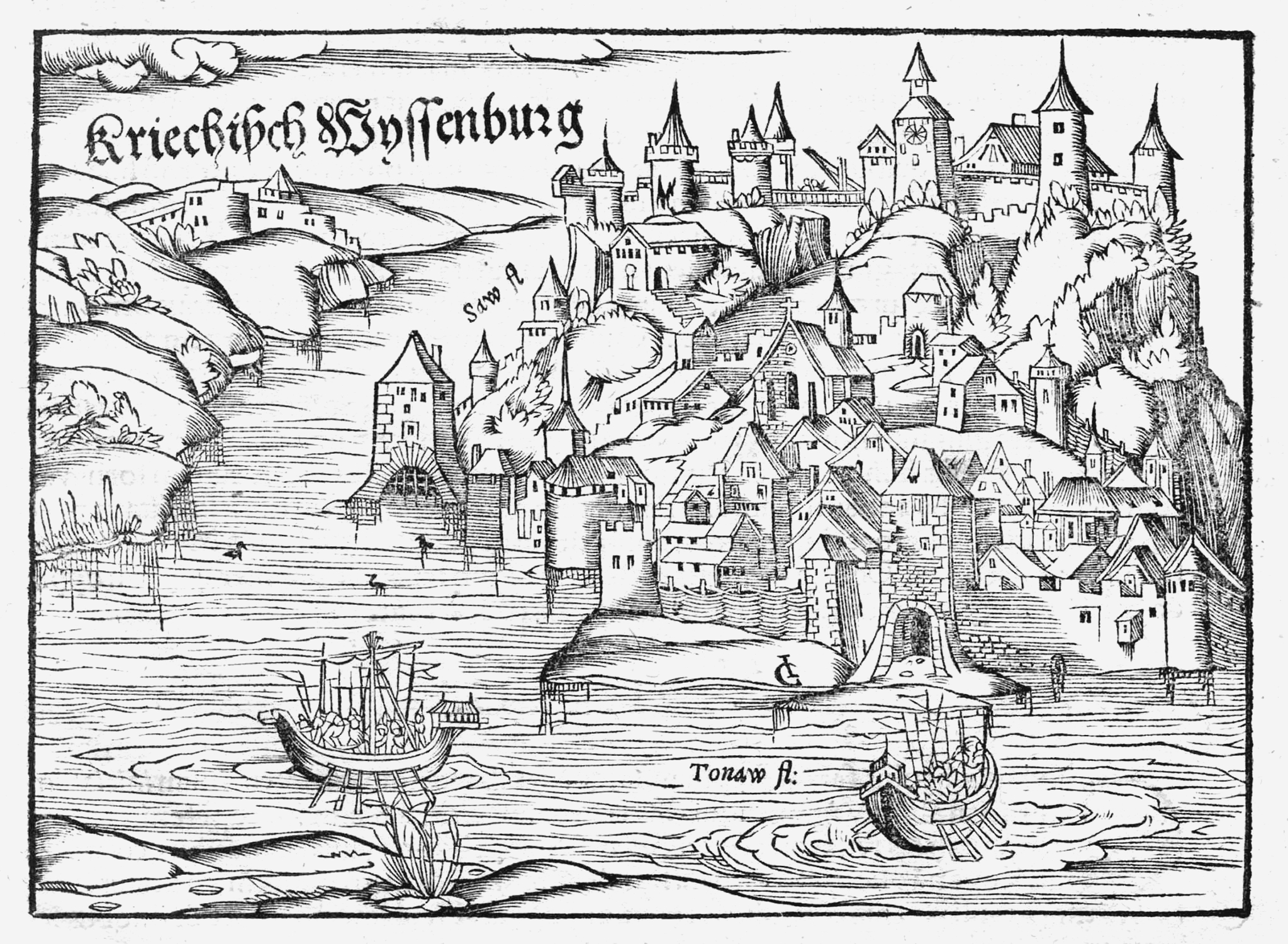
Three years earlier, in 1453, Constantinople had fallen. The greatest Christian city in the East now belonged to a 21-year-old sultan, Mehmed II. He did not stop there. He turned north toward Hungary, and one fortress stood in his path: Belgrade — Nándorfehérvár to the Hungarians — on the Danube.
Take Belgrade, and the road into the heart of Catholic Europe lay open. Both sides understood it. On 4 July 1456, Mehmed arrived with an army estimated at 60,000 to 70,000 men and a siege train of roughly 300 cannons, including guns that had brought down the walls of Constantinople itself. Defending the fortress were about 7,000 men under Michael Szilágyi, brother-in-law of the Hungarian warlord John Hunyadi, while Hunyadi scrambled to raise a relief force.
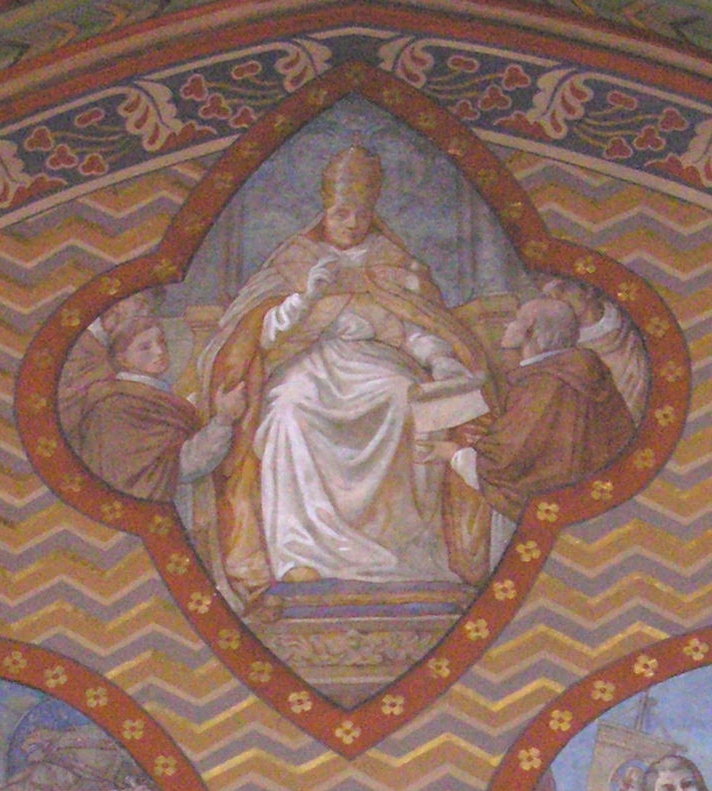
In Rome, Pope Callixtus III read the reports and made a decision most popes never have to make. He halted building projects across the Papal States, redirected the money to fund a crusade, and sent preachers riding out across Europe. Then, in late June, he ordered something stranger: every church in Christendom was to ring its bells at noon, every day, calling the faithful to pray for the defenders.
That order would outlive the siege, outlive the pope, and outlive the empire it was aimed at.
Who answered the call
One of the preachers Rome sent north was John of Capistrano, a 70-year-old Italian Franciscan born in Capestrano, in the Abruzzo. Before the habit, he had lived an entirely different life: a trained lawyer, governor of Perugia under Ladislaus of Naples, imprisoned during a war with the Malatesta family, and only then — in 1416 — a friar.
That lawyer’s mind and prisoner’s endurance now stood in market squares preaching a crusade to people who had never held a sword. It worked. Estimates put the force he raised at 25,000 to 35,000 peasants, townsfolk and minor gentry, against Hunyadi’s professional army of roughly 10,000 to 12,000. The untrained outnumbered the trained by something like three to one.
Help came from an unexpected direction, too. Vlad II Dracul, Voivode of Wallachia, agreed to guard the Transylvanian mountain passes with his own mercenaries. His son would later become infamous under a different name: Vlad the Impaler — the man history remembers as Dracula. But in 1456, the father was simply one more ally holding a line.
Breaking a wall built to end an empire
Hunyadi struck first, and not on land. On 14 July, a flotilla of small boats broke the Ottoman naval blockade on the Danube, and supplies and reinforcements reached the fortress for the first time.
Mehmed turned his cannons entirely on the walls. Over the following days Belgrade’s defenses were pounded into rubble, and by late July the walls were breached in several places. Mehmed ordered the full assault he believed would end it. Ottoman troops poured through the gaps, and the fighting went hand to hand in the streets, at the gates, and on the broken towers. The defenders had one advantage the attackers had not planned for: burning pitch, sulfur and anything else flammable, poured down from the walls.
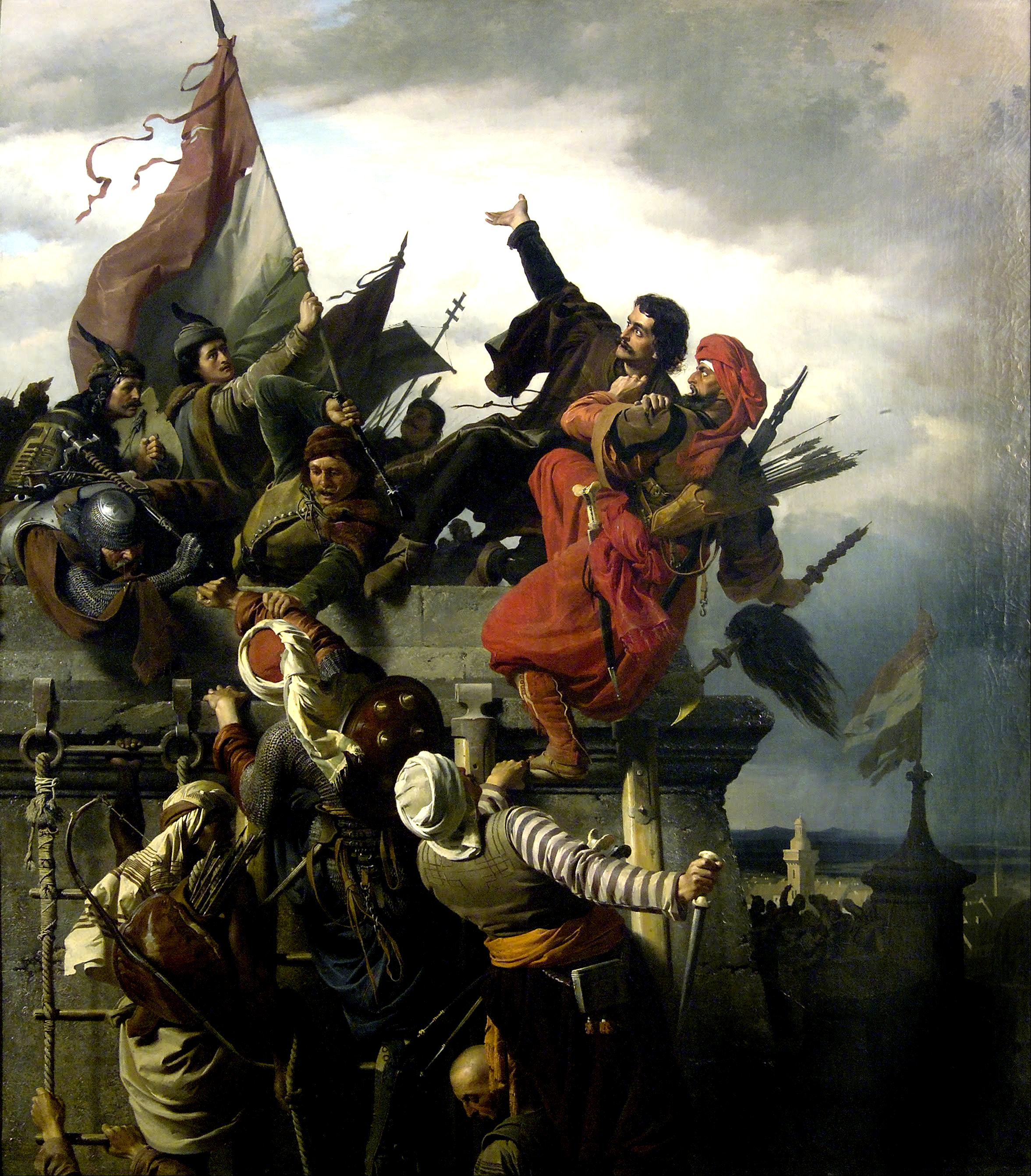
The assault was thrown back, but barely. Both armies were exhausted, and Mehmed still had tens of thousands in reserve. By every rule of siege warfare, the Ottomans should have regrouped, rested, and tried again within days.
That is not what happened.
What happens when the untrained refuse to stop
On 21–22 July, a small group of crusaders drifted close to the Ottoman lines without orders — testing, taunting, refusing to fall back. Ottoman soldiers moved to drive them off. Instead of retreating, more crusaders surged forward to support them.
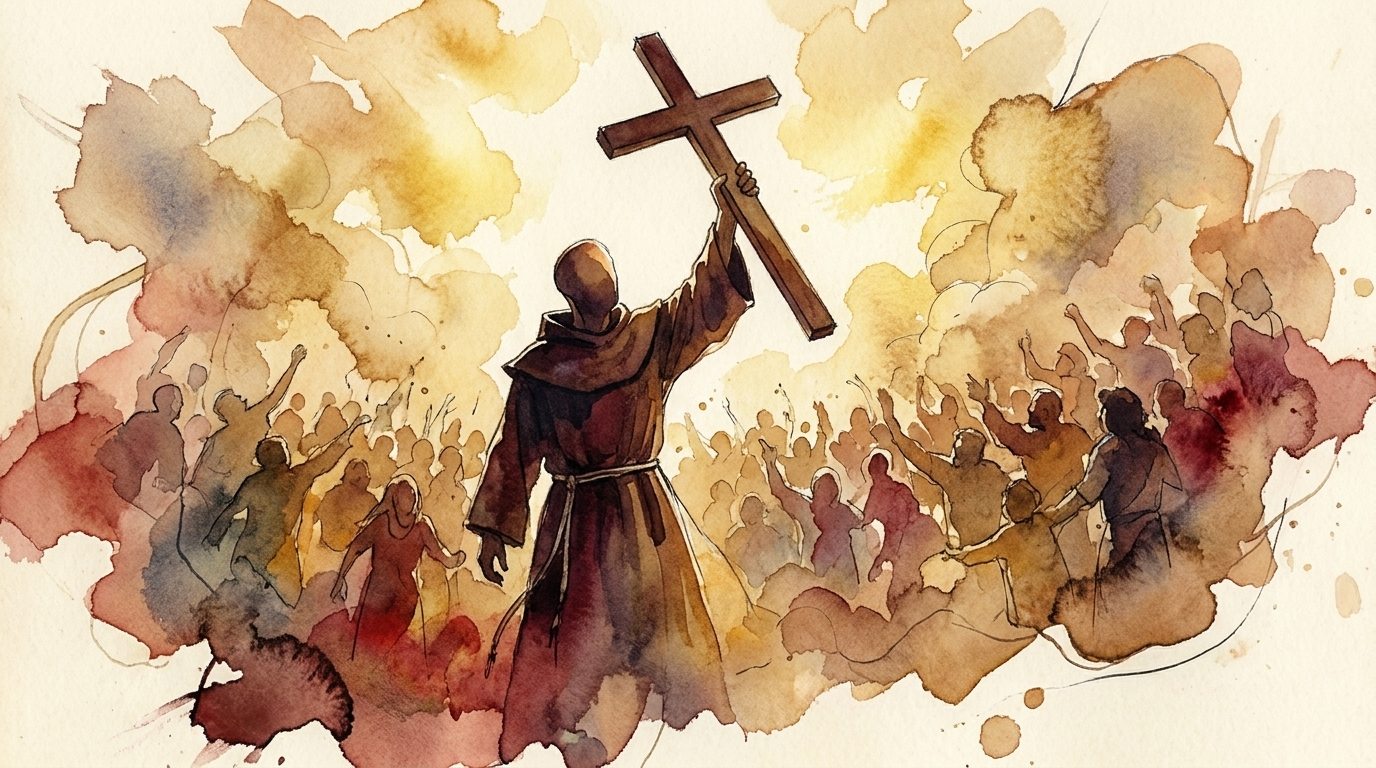
Within minutes John of Capistrano found himself surrounded by roughly 2,000 crusaders, all pressing toward the enemy camp. He had two choices: order them back to safety, or lead a charge that nobody had planned and nobody commanded. He chose to lead. Accounts record him raising his cross and shouting: “The Lord who made the beginning will take care of the finish!”
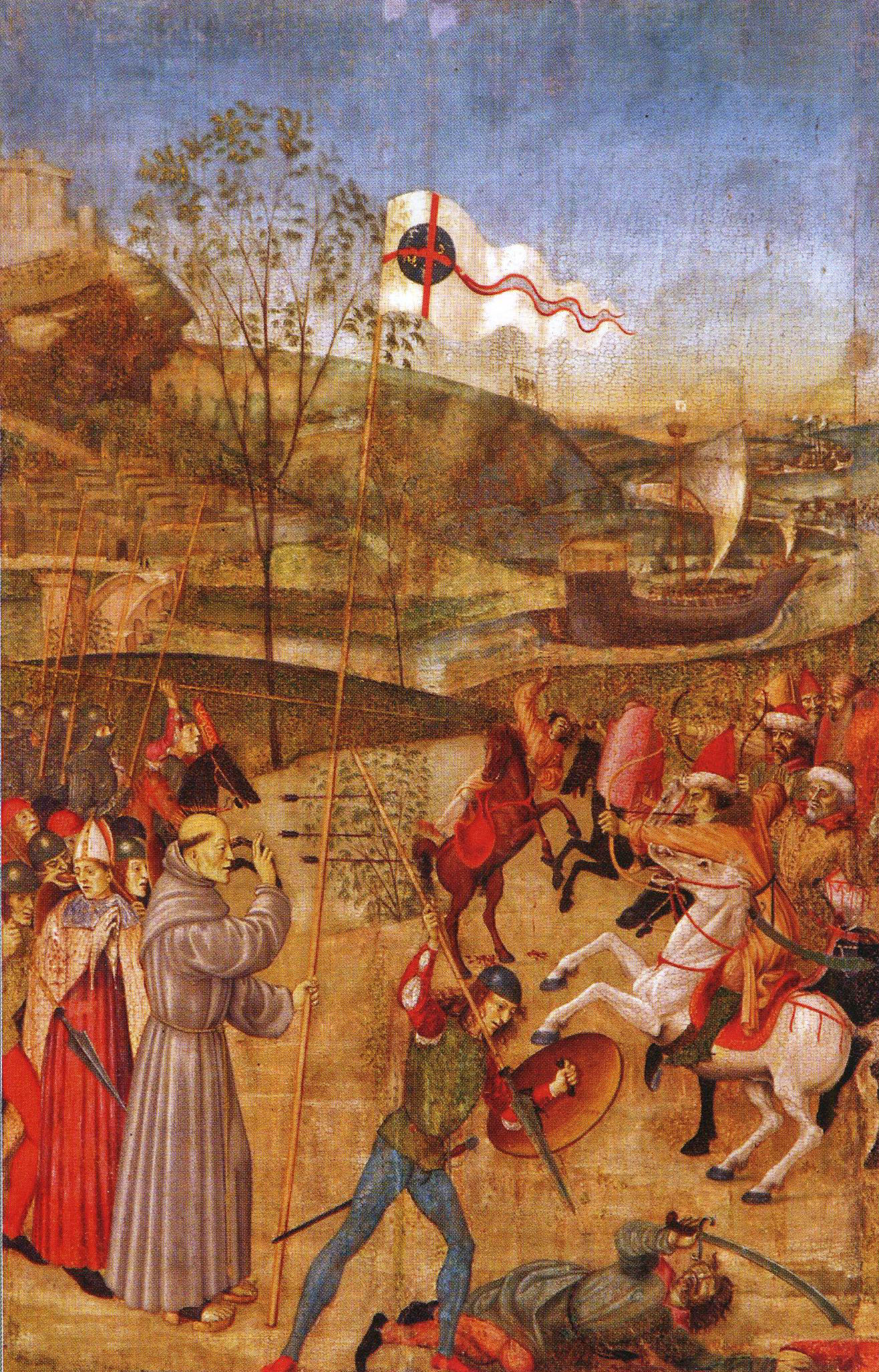
The suddenness broke something in the Ottoman lines, and panic spread faster than any officer could contain it. Hunyadi saw the opening and threw his own soldiers into the gap. What began as an unauthorized rush became a general counterattack that overran the Ottoman camp. Sultan Mehmed II himself was wounded. On 22 July the army broke, and the siege was over.
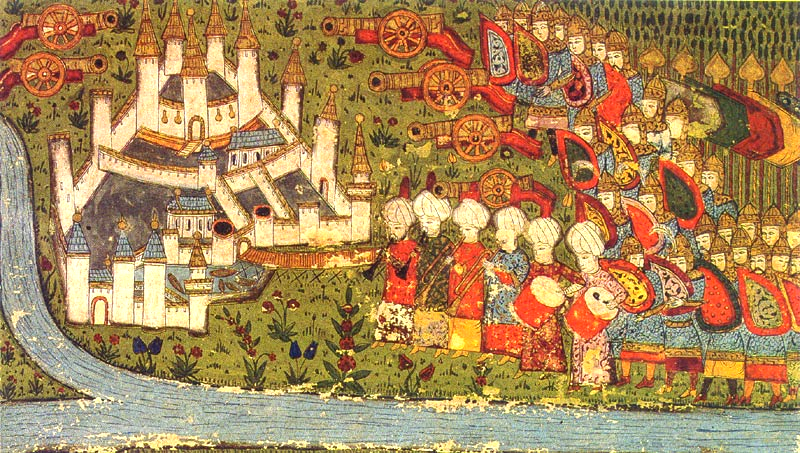
Casualty figures vary widely between sources and should be treated as approximations — crusader losses are put as high as 10,000, Ottoman losses significantly higher, in some accounts more than half the besieging army. What is not disputed is the outcome: Christendom’s last gate on the Danube held, and the farmers had decided it.
Why church bells still ring at noon
The victory cost more than the battle. Plague broke out in the crowded, exhausted camp outside the walls. John Hunyadi — the general who had just saved Hungary — died of it on 11 August 1456, three weeks after his greatest victory. John of Capistrano died of the same plague on 23 October. Two men who had just stopped an empire were gone within months.
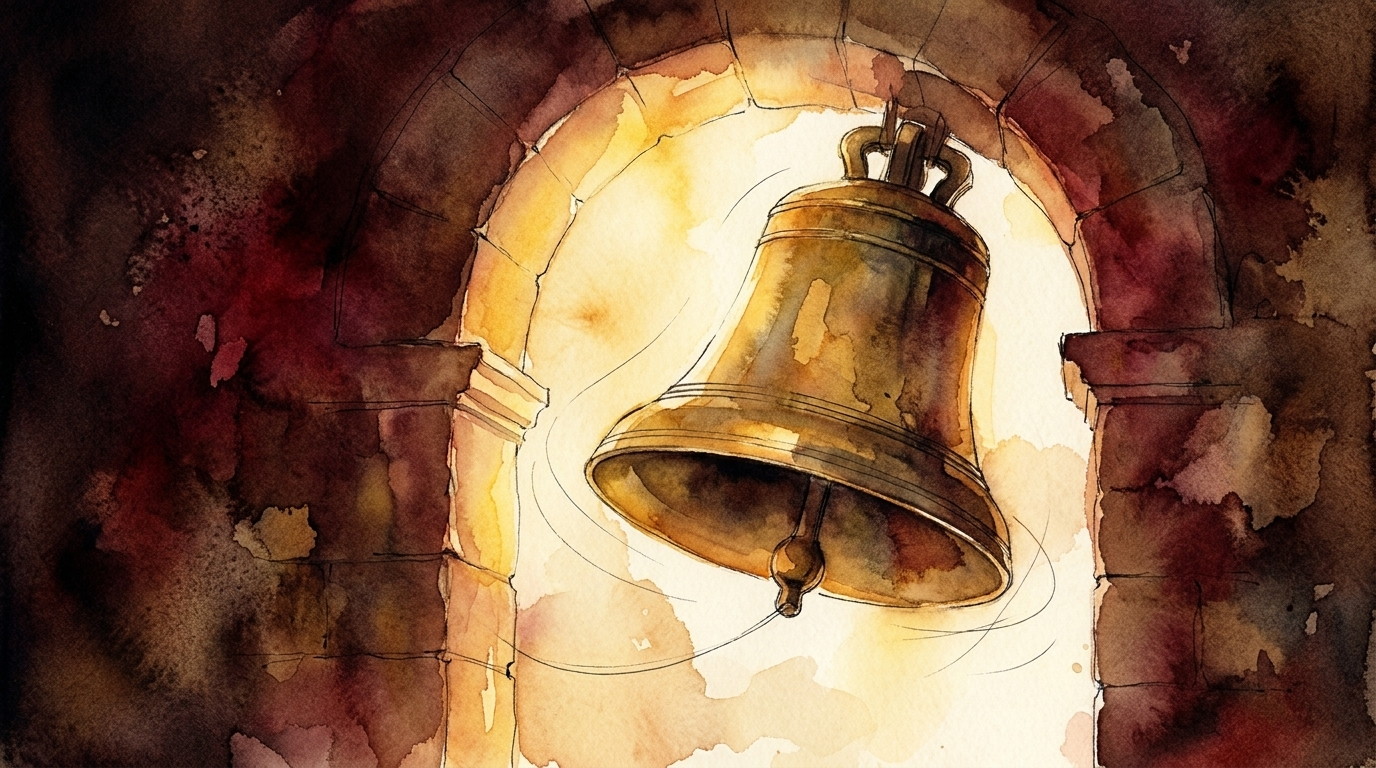
But the Pope’s order was already in motion. Weeks before the battle, Callixtus III had commanded the noon bell as a call to pray for the defenders. When news of the victory spread across Europe, it arrived alongside that same daily bell — and in popular memory the two meanings blended. The bell that had asked for prayers became, for many, the bell that marked the answer.
It is worth being precise here, because the two things are often collapsed: the noon bell was instituted as intercession before the outcome was known, and its association with commemorating the victory is a later tradition rather than the original decree. Both are true; they are just not the same fact.
In 1457, on the battle’s approaching anniversary, Callixtus III instituted the Feast of the Transfiguration (6 August) as a universal feast of the Church. The noon bell never stopped either. It folded into the Angelus, the prayer still rung three times a day in Catholic churches around the world.
What it cost, and what it means now
Hungary still remembers what most of the world forgot: since 2011, 22 July has been a national memorial day. John of Capistrano was later canonized — liturgically in 1690 under Alexander VIII, with the canonization bull issued in 1724 under Benedict XIII — and is honored as patron of jurists, of military chaplains, of Hungary, and of the city he helped save.
A lawyer who went to prison, became a friar, and ended his life leading farmers against the largest army in the region.
Constantinople had fallen three years earlier, and much of Europe assumed Belgrade, and everything behind it, would go the same way. It didn’t. And somewhere right now, a church bell is ringing at noon — still calling, still echoing, still remembering Belgrade.
Watch the full story
The complete video is on the Catholic Journey channel on YouTube — along with every other deep dive in this series.
Go deeper
If stories like this one stay with you, there are fifty more in 50 Saints: Stories and Prayers for Divine Intervention — fifty lives from across the history of the Church, each paired with a prayer. Find it in the Catholic Journey shop.
Sources
- Tier 1 (magisterial): not applicable — this is a 15th-century historical narrative, not a question of current Church teaching. No Vatican statement governs it, so Tier 2 and Tier 3 sourcing applies, per our source policy.
- Tier 2 (scholarly/historical): New Advent, Catholic Encyclopedia, “St. John Capistran” — early life, the governorship of Perugia, imprisonment, and entry into the Franciscans.
- Tier 3 (news/commentary/reference): Unam Sanctam Catholicam, “Battle of Belgrade (1456)”; Catholic Answers Magazine, “Dracula Joins John Capistrano in War at Belgrade”; Nobility and Analogous Traditional Elites, “The Siege of Belgrade (1456)”; Catholic Under the Hood, “Today in Catholic History — The Siege of Belgrade”; Catholic365, “Pope Callixtus III, A Misunderstood Man”; The Fatima Center, “History and Prayer of the Angelus”; Simply Catholic, “What Is The Angelus?”; Wikipedia, “Siege of Belgrade (1456)” for chronology and troop estimates.
A note on the numbers: troop strengths and casualty figures for this siege vary substantially between sources, and the exact date and name of Callixtus III’s bell decree differ slightly depending on which account you read. Where sources disagree, this article gives rounded, clearly approximate figures rather than picking the most dramatic version.
Image credits
- Sebastian Münster, Cosmographia woodcut, Basel 1545 — public domain, via Wikimedia Commons.
- Károly Lotz, fresco of Pope Callixtus III, Matthias Church, Budapest — public domain, photo by Dominik Tefert, via Wikimedia Commons.
- Sándor Wágner, The Self-Sacrifice of Titusz Dugovics, 1859 — public domain, via Wikimedia Commons / Google Cultural Institute.
- Giovanni di Bartolomeo d’Aquila, St. John of Capistrano at the battle of Belgrade, 15th century — public domain, via Wikimedia Commons.
- Ottoman miniature of the siege of Belgrade, 1456, unknown painter — public domain, via Wikimedia Commons.
- Illustrations from the Catholic Journey video — original artwork.