
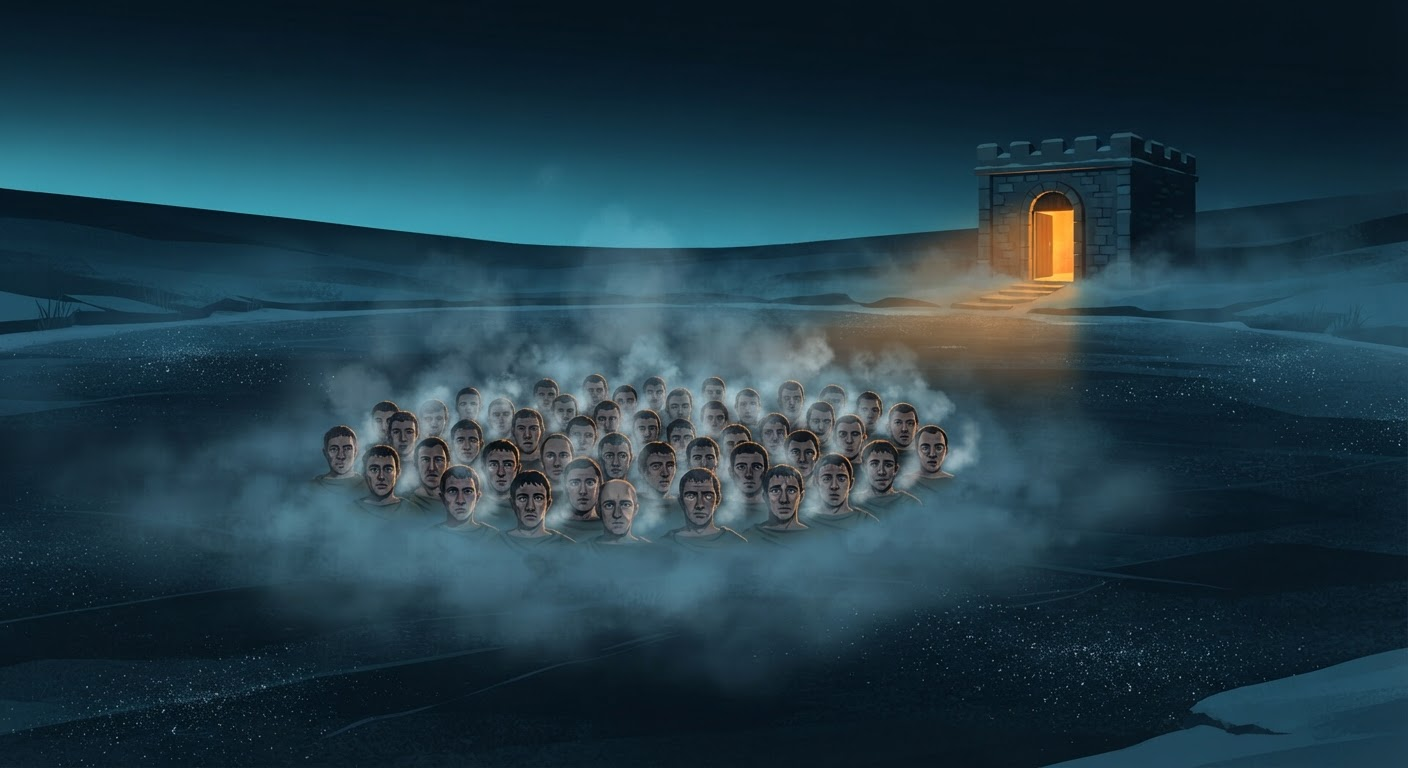
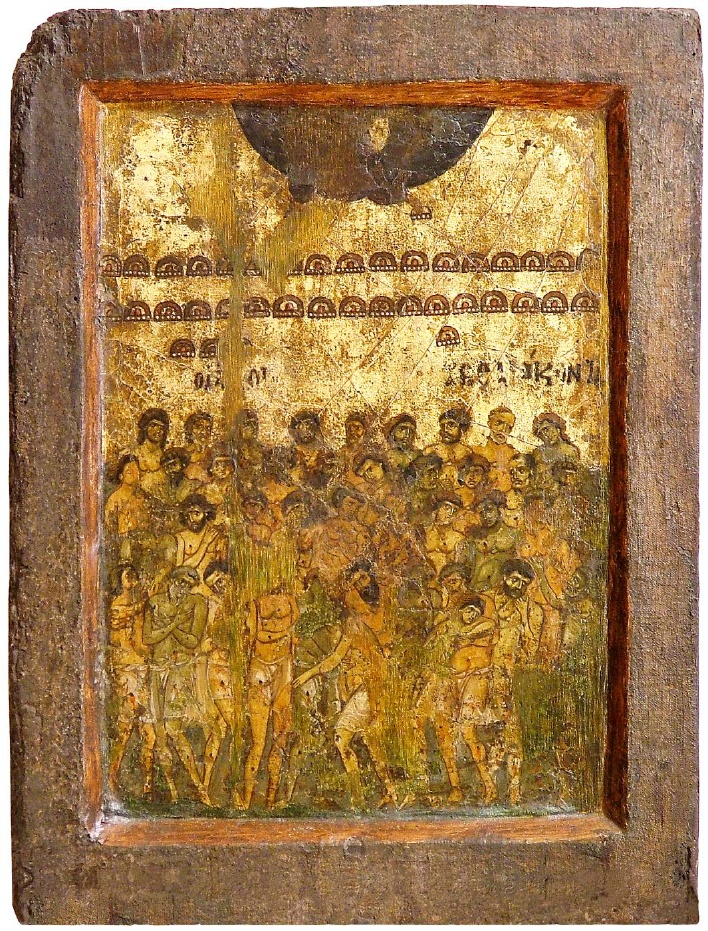
In the year 320, forty Roman soldiers were left naked all night on a frozen pond at Sebaste, for refusing to sacrifice. Warm baths waited on the shore for any man who gave in. Before dawn, one did. The number on the ice stayed forty.
This is their story, and three more like it: Marcellus, the centurion who threw down his belt; Sebastian, the officer who survived his own execution; and Maurice, whose legion answered the emperor in writing. Four Roman soldiers, four ultimatums. None of them led a revolt. Each refused to put the emperor above Christ, and each died for it.
A note on sources before we begin. Three of the four have pages on Vatican News: Maurice and the Theban Legion, Sebastian, and the Forty Martyrs of Sebaste. Marcellus has no page there that could be found; his story rests on the acts of his trial. Where the Vatican’s pages name the demand, it is the same each time: offer sacrifice to the pagan gods. Everything below is said in the voice of its source, and tradition is labelled as tradition.
What Did Marcellus Throw Down?
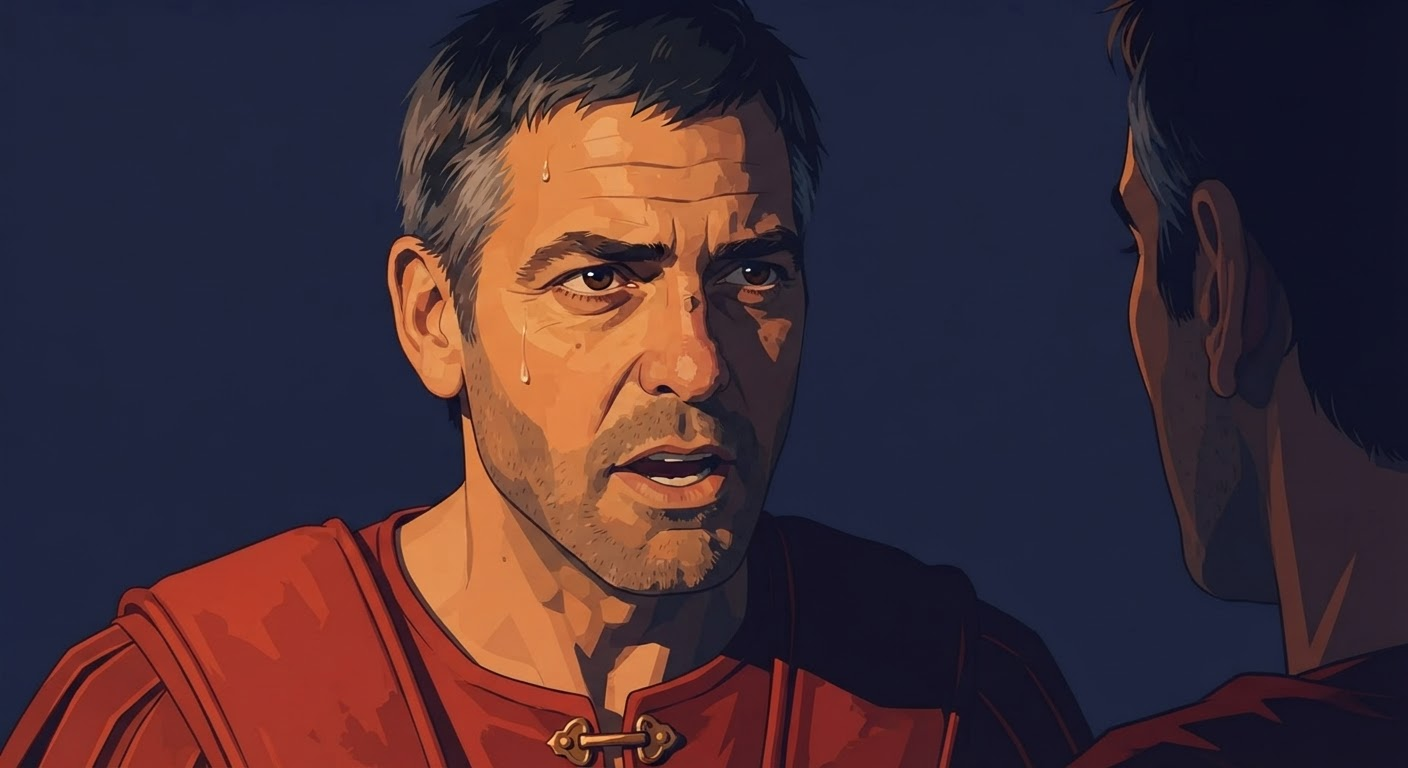
The year was 298, at a festival for the emperor Maximian’s birthday. A centurion named Marcellus stood before his company. He threw down his military belt. Then his arms. Then the vine branch that marked his rank. In front of the men he commanded, at the emperor’s own feast, he said out loud whose soldier he was: “a soldier of Jesus Christ, the eternal King,” as Butler’s Lives of the Saints renders his acts.
The prefect, Fortunatus, had him imprisoned and passed the case to Agricolaus, deputy to the praetorian prefect. The charges were two: desertion, and impiety. Desertion was the soldier’s crime; impiety was the Christian’s. Agricolaus sentenced him for both, and he was beheaded at Tingis, today’s Tangier. His relics were later moved to León, in Spain, and his feast is October 30.
Even this, the only one of the four with a trial record, has a crack. Butler says Maximian’s birthday; another old reference says Diocletian’s. And his acts, though generally held authentic, were copied and reworked over the centuries. What the acts never say is that he ran, or raised a hand. He threw the belt down where his whole company could see it.
How Do You Execute a Man Twice?
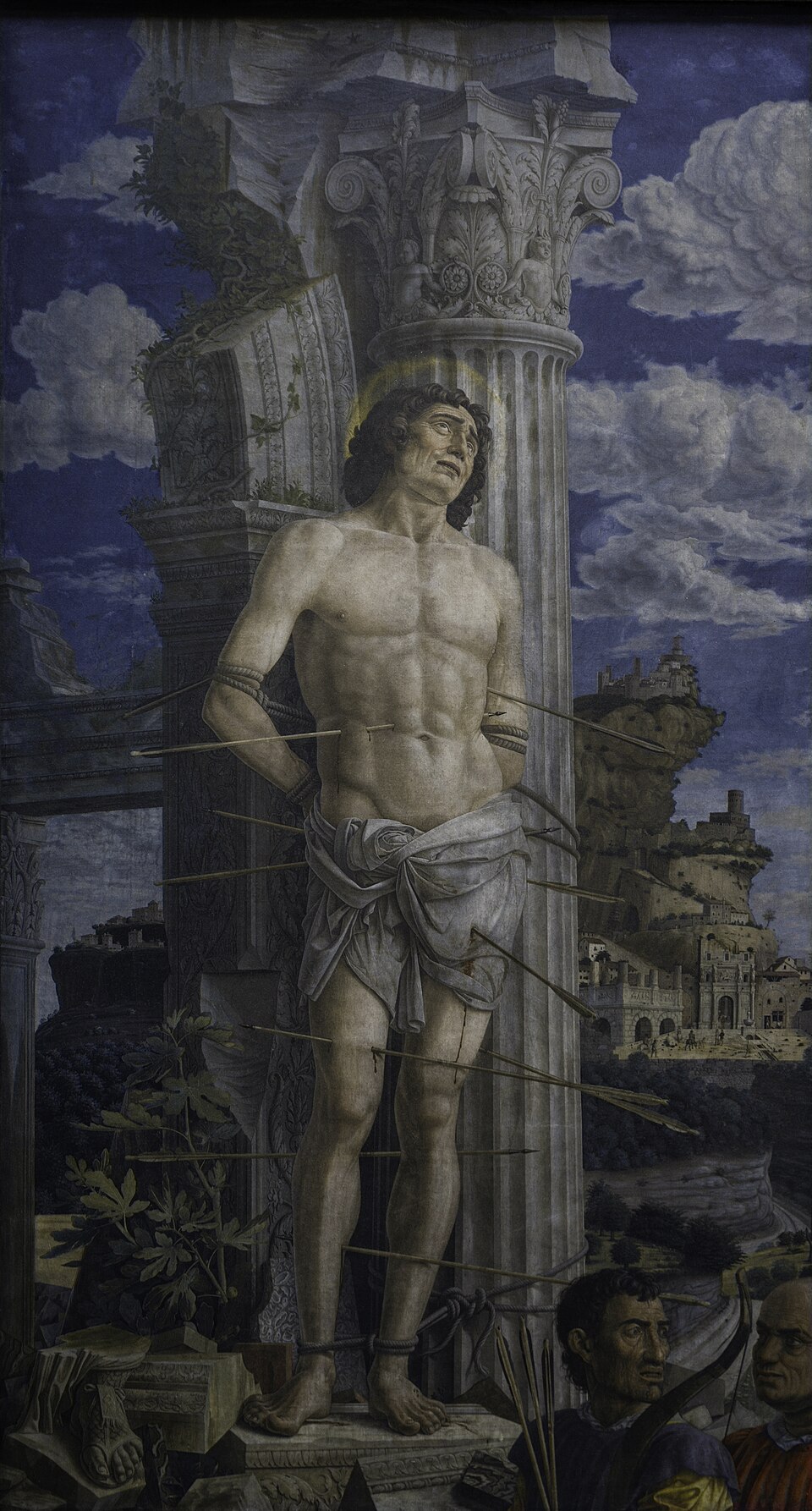
You probably know Sebastian as the young man pierced with arrows. Hold on to that picture.
The Church’s account on Vatican News begins in Milan. Sebastian was born there and rose to high rank in the imperial army. Diocletian esteemed him and never suspected he was a Christian. In secret, he helped imprisoned Christians and brought soldiers and nobles to the faith. Then he was discovered and condemned. What he was asked to say, and what he answered, the sources do not record.
The Acts of Sebastian, probably written early in the 400s, hand him to archers. He did not die. A widow named Irene nursed him back to health, and then came the second execution, by blows of a club. The Vatican’s page tells it the same way: he survived the arrows, and was then beaten to death.
Here the Church’s own scholars are blunt. The Catholic Encyclopedia calls the stories of the Acts unhistorical, and puts it plainly: “Little more than the fact of his martyrdom can be proved.” That fact is solid: a Roman list of martyrs from 354 records his burial on the Via Appia, and a basilica rose over the grave in 367.
And the picture? The arrow-pierced youth is a Renaissance image. Early mosaics show a bearded man in court dress, with no arrows at all. The painters remembered him for the one part of his death that cannot be proved.
What Did the Theban Legion Refuse?
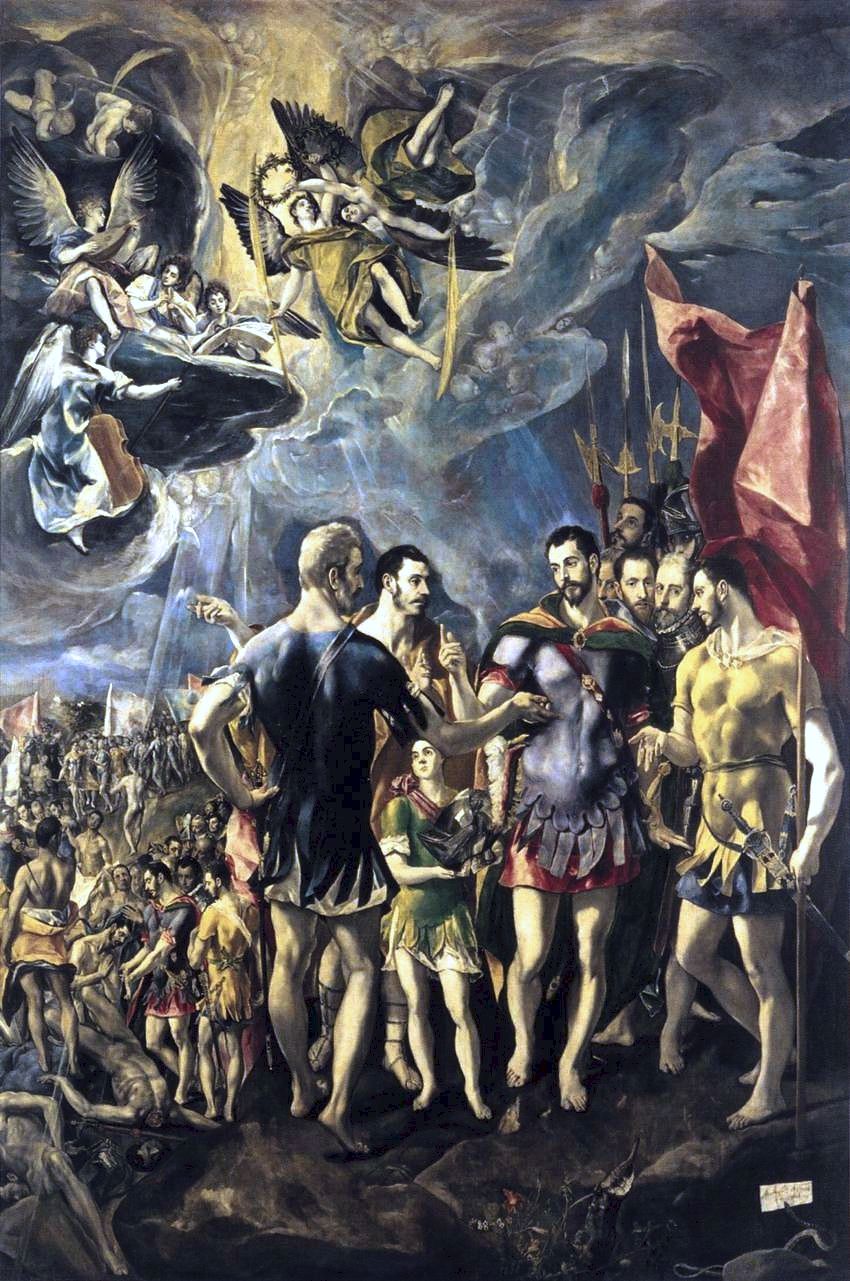
Around 287, the Theban Legion, a unit of Christian soldiers, marched against rebels in Gaul. Its head was Maurice. Before the attack, the emperor Maximian gave an order. In the words of the Vatican’s page for September 22: “They were martyred by the Emperor Maximian when they refused to offer sacrifices to the pagan gods ahead of an important battle.”
The French version of the same page adds that they answered the emperor in writing, and gives one sentence of the reply: “We are your soldiers, but also servants of God.” They still call themselves his soldiers. They name one more loyalty, and at the altar, that one wins.
Maximian decreed their death. That much the Vatican’s page says. What happened next comes from a letter written around 450 by Eucherius, bishop of Lyons, from a tradition about a century and a half old. Tradition holds it was decimation: every tenth man killed, a second refusal, every tenth man again, then the rest. The famous figure of 6,666 belongs to that tradition; the Vatican’s page gives no number at all.
Historians disagree about how much of this holds. Denis Van Berchem doubted the story; David Woods defended a factual core. The date wanders from 286 to 303, and the unit may have been only a detachment. The Catholic Encyclopedia argues that the silence of writers at the time weighs less than critics claim. So hold both: the Church’s page gives a Christian legion, an order to sacrifice, a refusal and death. The decimations and the number are tradition.
Who Were the Forty?
Sebaste, in Armenia, in the year 320. The emperor Licinius was persecuting Christians in the East. According to Vatican News, the Twelfth Legion, the Fulminata, was stationed there, and among its soldiers were forty Christians from across Cappadocia. When the army was ordered to renew its oath by sacrifice, the forty refused, and were arrested. Of the four stories this is the best attested: Basil of Caesarea preached on their feast some fifty or sixty years later.
The sentence: to be stripped and left on a frozen pond near the city through a bitterly cold winter night. On the bank, in plain view, a heated bath. Any man who walked off the ice could have it.
Sometime in the night, one of them gave in. He left the pond for the warm baths; in Basil’s account, he died on the spot. That left thirty-nine. Then the keeper of the baths, who had been watching them, was struck by their courage, Vatican News says. He stripped off his clothes, walked out onto the ice into the place the other man had left, and said it aloud: “I am a Christian.” Forty again.
The sources disagree about who he was: a guard in the Catholic Encyclopedia, the executioner in Basil’s sermon as summarized, the keeper of the baths in Vatican News. What he did, they all agree on. At dawn, the Vatican’s account says, their legs were broken and those still alive were killed with iron bars. Christians recovered the relics, and the feast of the Forty falls on March 9.
What Do Four Refusals Add Up To?
A belt on the ground. An officer who survived the arrows. A legion that answered in writing. Forty men on a frozen pond. Where does a soldier’s duty end? The clearest answer is the legion’s own: your soldiers, but also servants of God.
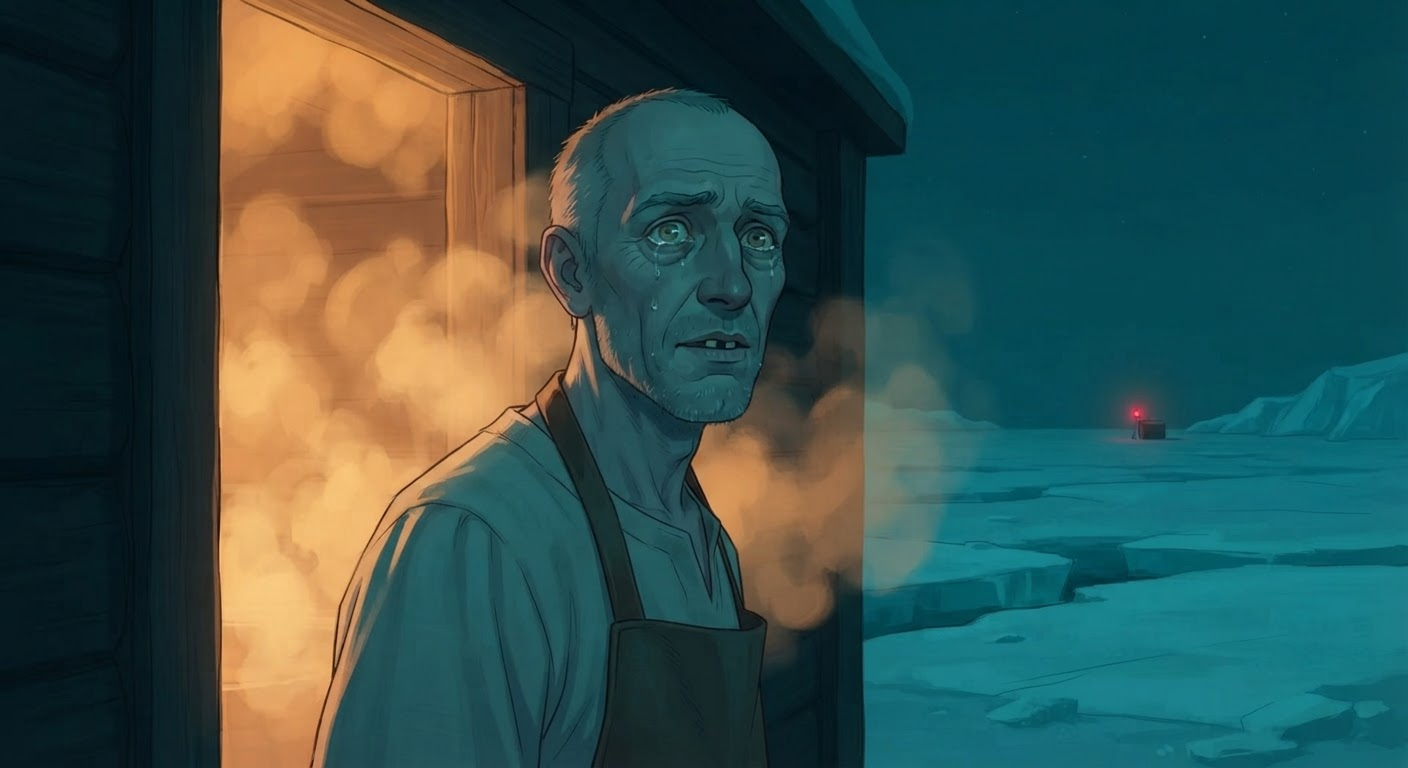
These are not warrior stories. Nobody in them wins a battle. Each one ends with a soldier who will not move. The only man who walks toward the ice is the one nobody ordered: the bath-keeper had no ultimatum at all. He watched them refuse, and chose to become one of them. That is a reading, and the Church does not rule on it.
One thing to do this week
Most of us will never stand on the ice. But nearly everyone knows the warm bath: the easier silence, waiting on the shore. This week, when your faith comes up at work or at the table and silence would be easier, say one honest sentence instead. Then tell us in the comments: which of the four would have been hardest for you?
If stories like this one stay with you, there are fifty more in 50 Saints: Stories and Prayers for Divine Intervention — fifty lives from across the history of the Church, each paired with a prayer. Find it in the Catholic Journey shop.
Sources
- Tier 1: Vatican News, Saint of the Day: Sts. Maurice and Companions, 22 September (and the French page), San Sebastiano, 20 January, Santi Quaranta Martiri di Sebaste, 9 March; Vatican News, “Histoire de sainteté: 40 saints martyrs de Sébaste”, March 8, 2020.
- Tier 2: Basil of Caesarea, Homily XIX on the Forty Martyrs (Nicene and Post-Nicene Fathers, series 2, vol. 8); Catholic Encyclopedia (1907-1912), “St. Sebastian”, “St. Maurice”, “Agaunum” and “Forty Martyrs”; Butler’s Lives of the Saints, St. Marcellus the Centurion.
- The decimations and the figure of 6,666 are tradition (Eucherius of Lyons, c. 450), not part of the Vatican News account.
Image credits
- Illustrations: Catholic Journey.
- Andrea Mantegna, Saint Sebastian, Louvre. Public domain, via Wikimedia Commons.
- El Greco, The Martyrdom of Saint Maurice. Public domain, via Wikimedia Commons.
- Forty Martyrs of Sebaste, icon, second half of the 11th century, Ohrid Icon Gallery. Public domain, via Wikimedia Commons.