
On March 16, 1583, in Rome, a fourteen-year-old boy named Paolo Massimo, son of Prince Fabrizio Massimo, died. According to the Birmingham Oratory, he had been dead about half an hour when Saint Philip Neri arrived, called away from saying Mass.
The account
In the version told by Pietro Giacomo Bacci in his Life of Philip, Philip prayed seven or eight minutes beside the body and called, “Paolo! Paolo!” The boy opened his eyes. He confessed a sin he had forgotten, was absolved and, asked whether he would rather die and go to heaven, said yes. Philip blessed him and Paolo died again, in peace.
What gives this case weight
- The father testified. Fabrizio Massimo gave evidence in Philip’s canonization process in September 1595, the year Philip died. Philip was beatified in 1615 and canonized in 1622.
- A pope used it. Benedict XIV cited the episode in his treatise on beatification and canonization to explain that a person may die soon after being raised.
What is less firm
- The detailed dialogue comes from Bacci, writing long after, not from the father’s testimony.
- The statements that doctors were present and that “there is no doubt that the boy did truly die” come from the Birmingham Oratory, not from a medical source.
- We have not seen the transcript of the process, so we cannot say the testimony was given under oath.
A note on the ranking: it is ours, not the Church’s. We weigh who wrote a story down, when, and whether witnesses were named. We do not weigh holiness or what God can do. The Catechism (548) says miracles are signs that invite faith, not proof to satisfy curiosity.
Watch the video: Saints Who Raised the Dead: Ranked by Evidence, where all five cases are put side by side.
Sources
- Birmingham Oratory, The Raising of Prince Paolo Massimo.
- Roberto de Mattei, The Miracle of the Palazzo Massimo (citing Bacci).
- Catholic Encyclopedia, “St. Philip Romolo Neri”.
- Catechism of the Catholic Church, 547-549.
Image credits
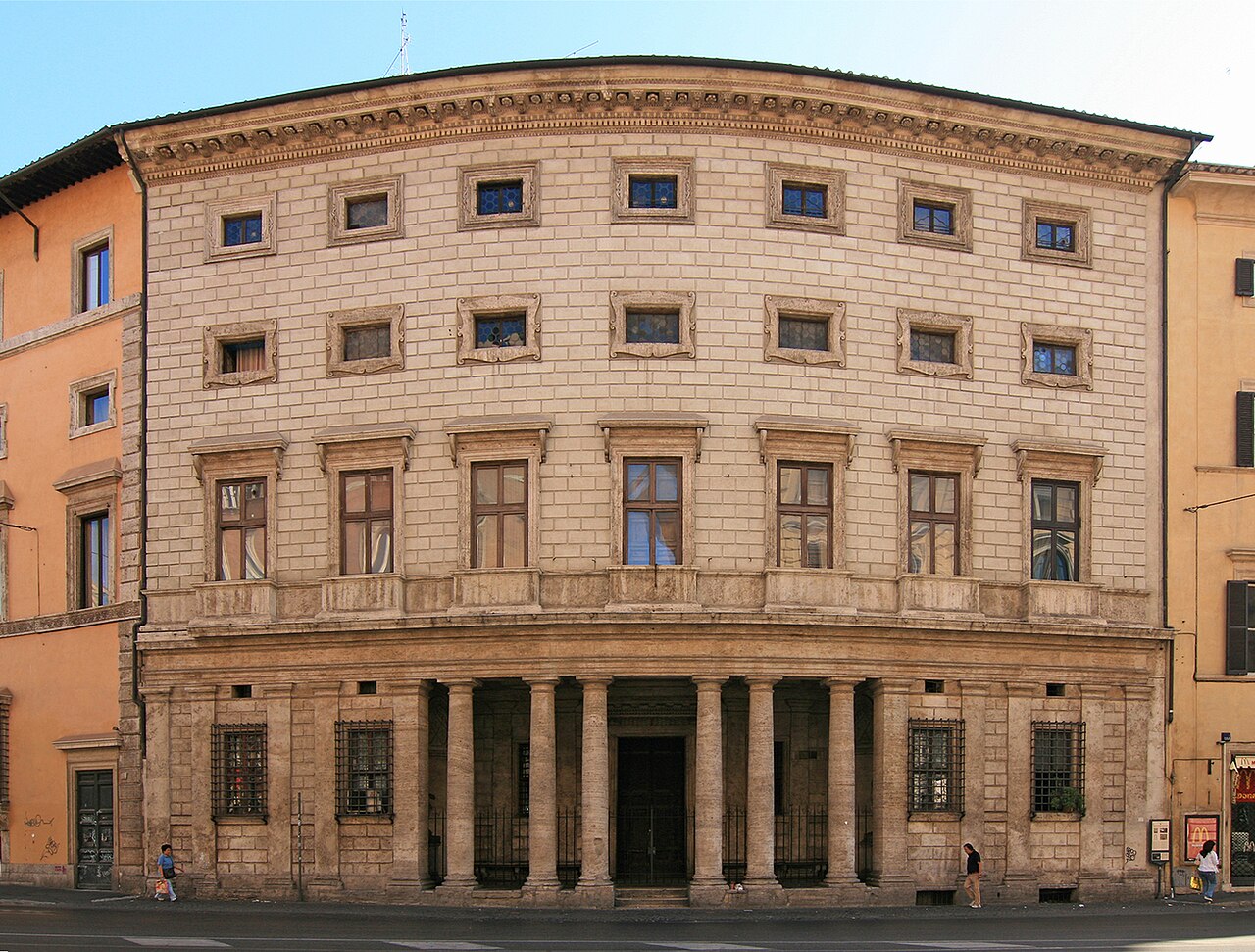
- Palazzo Massimo alle Colonne, photo by Jensens, 2008. Public domain, via Wikimedia Commons.